



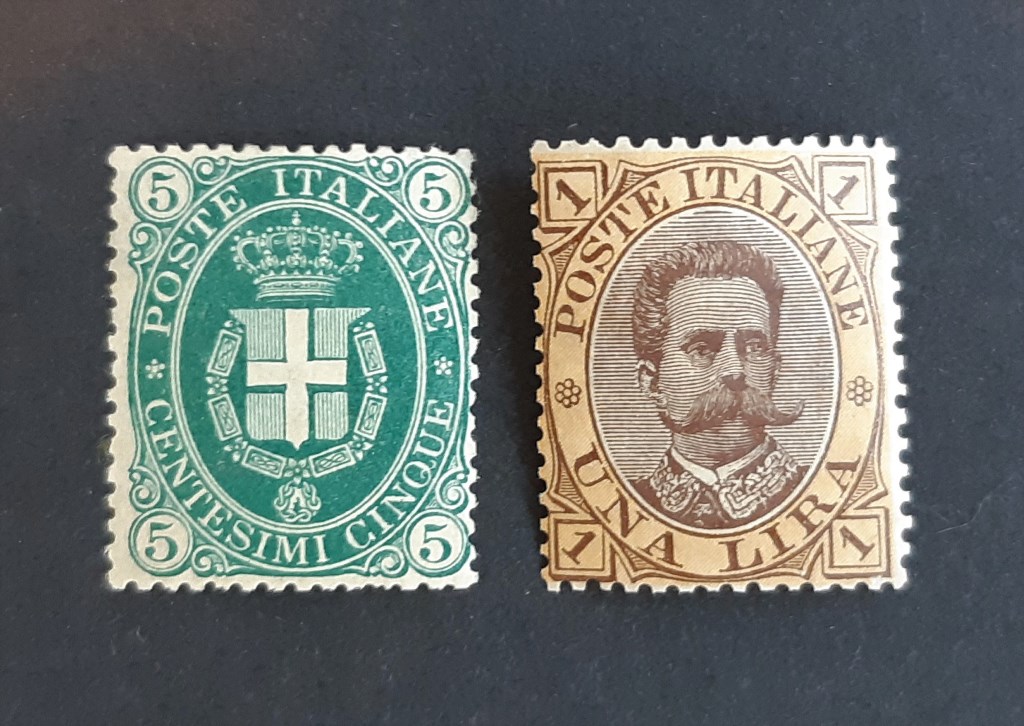
Philately – selling of postage stamps
How to Start Collecting Postage Stamps and Turn This Hobby into a Smart Investment
When the first postage stamps appeared in the mid-19th century, no one imagined they would become such a fascinating collectible. Today, more than 180 years later, stamps are collected by celebrities, royalty, and investors alike. Why is philately so captivating? Let’s explore the world of perforated beauty together.
What Is Philately?
Philately is the study of postage stamps and postal history. It includes not only stamps themselves but also postal stationery, covers, cancellations, and postal labels. Stamp collecting began in Great Britain—the birthplace of the first postage stamp—and spread across Europe and the world around 1860.
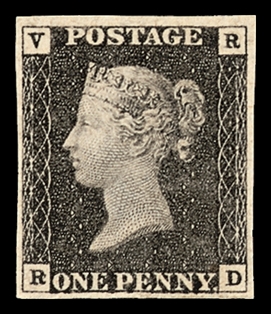
Penny Black – the world’s first postage stamp (1840).
In Slovakia, the beginnings of organized philately date back to 1895, when the first philatelic club ALBUM was founded in Kremnica.
How Stamp Values Are Determined
The value of a collection is not only about money. For most philatelists, the main motivation is joy, knowledge, and community. Still, there are three basic types of value:
- catalog value,
- market value,
- collector value.
Catalog Value
Catalog value is based on information published in philatelic catalogs. It is an important reference point, but it does not always match real market prices. Catalogs reflect the experience and perspective of their publishers, so prices may vary.
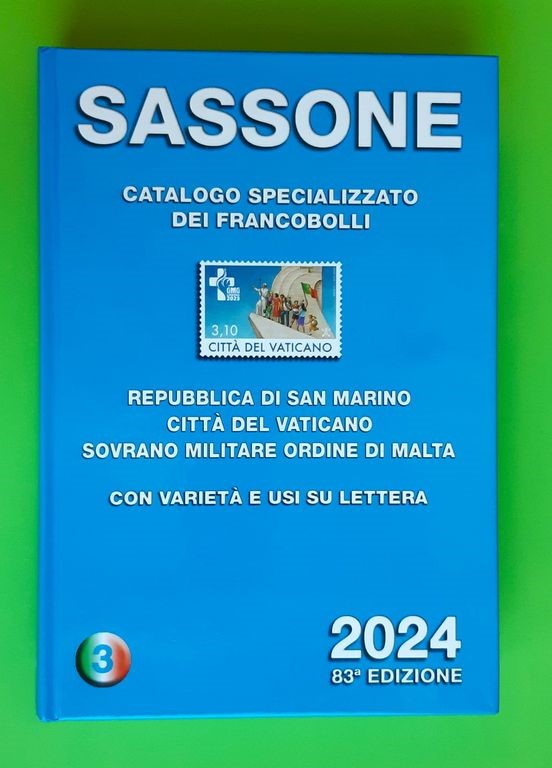
A specialized catalog of stamps from San Marino, Vatican City, and the Sovereign Military Order of Malta.
The most commonly used catalogs include:
- Yvert & Tellier – France, Monaco, colonies
- Zagorsky – Imperial Russia, USSR
- Michel – Germany, Switzerland
- Stanley Gibbons – Great Britain, Commonwealth
- Pofis – Czechoslovakia, Czech Republic
Market Value
Market value best reflects the real price. It usually represents 20–30% of catalog value. Auction catalogs and realized auction prices are helpful for estimating it.
Collector Value
This depends on how popular a stamp is among collectors. It can rise or fall quickly depending on trends, the appearance of forgeries, or the sudden discovery of larger quantities of material.
Where to Buy Philatelic Material
Today, you don’t need to visit only POFIS or physical shops. You can also buy stamps through:
- online stores,
- philatelic fairs,
- collector exhibitions (e.g., Zberateľ in Bratislava and Prague),
- subscriptions of new issues directly from postal authorities.
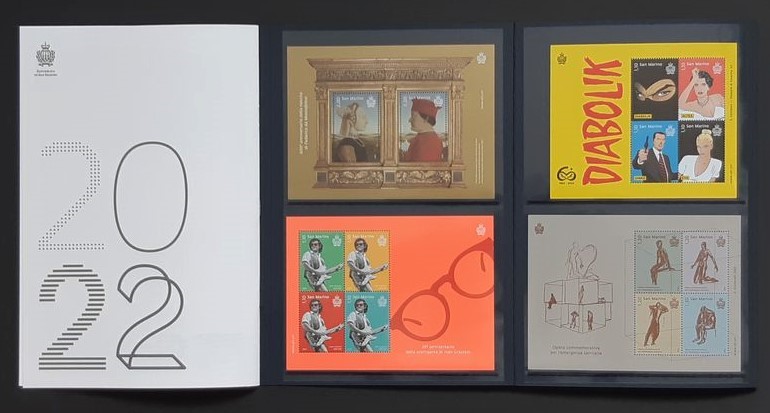
A philatelic yearbook from San Marino containing all materials issued in 2022.
Basic Philatelic Terms
Some of the essential philatelic terms include:
- cover,
- postal stationery,
- maximum card,
- forgery,
- franking,
- gum,
- reprint,
- watermark,
- perfin,
- printing techniques,
- perforation.
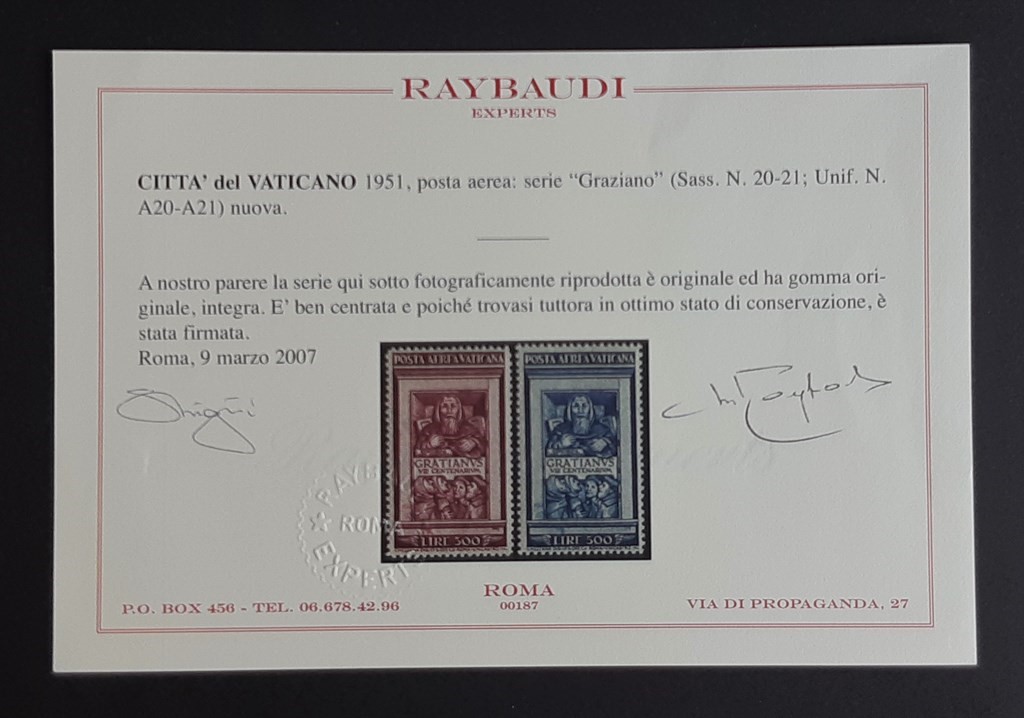
A certificate confirming the authenticity and quality of two Vatican airmail stamps.
The World’s Rarest Stamp
The “holy grail” of philately is the British Guiana 1c Magenta, valued at around 10 million USD.
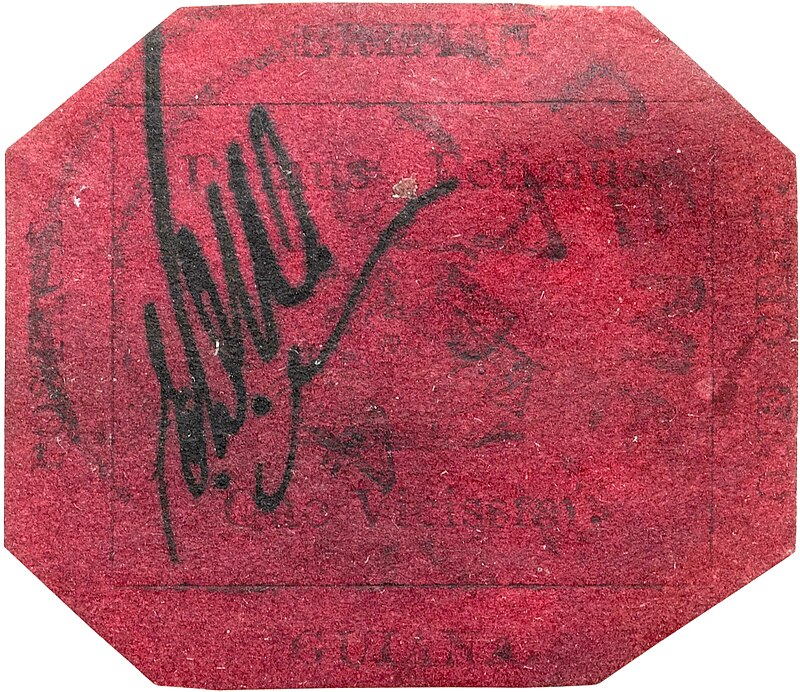
The world’s rarest postage stamp – British Guiana 1c Magenta.
Why Do People Collect Stamps?
Philately offers:
- joy and relaxation,
- education and history,
- community and connections,
- potential investment,
- a hobby enjoyed by personalities such as Einstein, Lennon, and Warren Buffett.
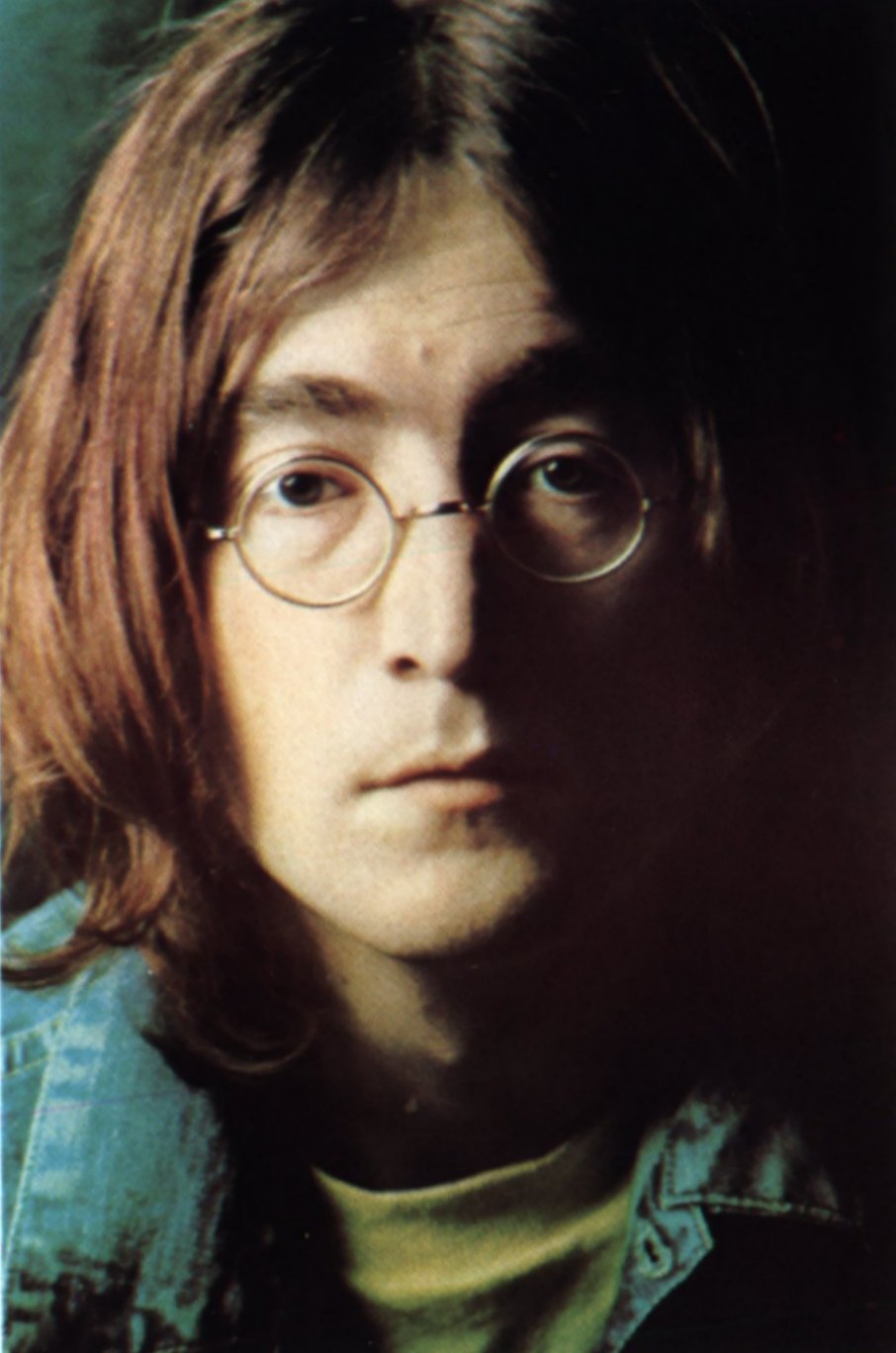
John Lennon – famous musician and passionate stamp collector.
Final Tips
- collect high-quality, undamaged stamps,
- verify authenticity for more expensive items,
- buy from trusted dealers,
- store your collection properly,
- keep learning and follow trends.
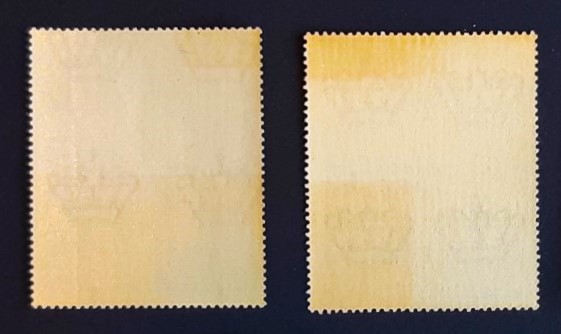
Yellowed gum caused by improper storage.